Finding the Perfect Bed Bug Exterminator: What You Need to Know
Selecting the best bed bug exterminator is necessary for successfully managing pest problems. Numerous factors influence the selection, including proficiency and treatment approaches. Recognizing the signs of an infestation is the first thing to do. Yet, not all exterminators are comparable. Spotting the key traits that separate a capable expert can make a big difference. What should one keep in mind when picking the right expert for this demanding job?
Indicators of a Bed Bug Problem
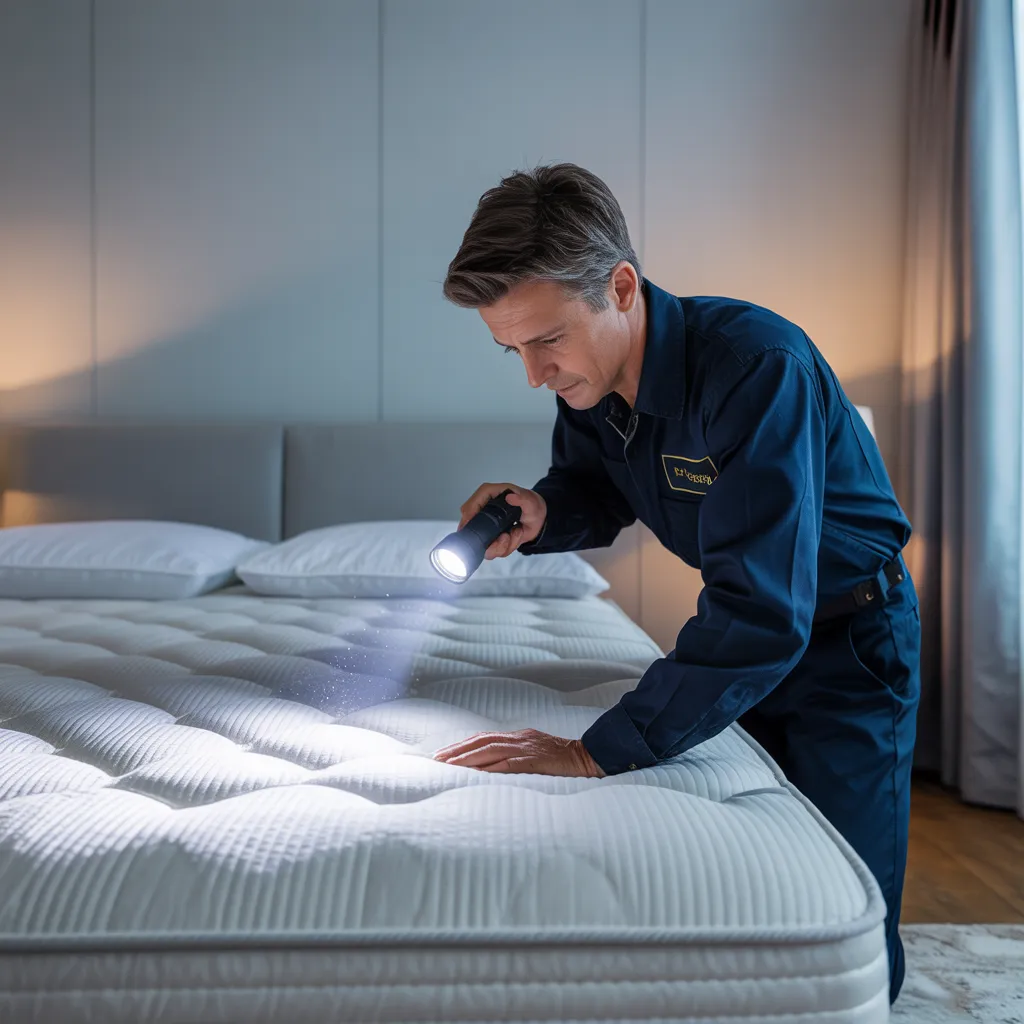
Recognizing the signs of a bed bug outbreak is important for prompt intervention. These creatures are remarkably elusive, making timely identification paramount. Common clues include tiny rust-colored spots on bed linens or mattresses, which are often the consequence of crushed bugs. Additionally, dark spots of excrement may be found on surfaces where bed bugs hide, such as seams of find out about this mattresses, bed frames, and furniture.
Another strong sign is the presence of shed exoskeletons, since bed bugs shed their skins several times throughout their life cycle. People may also experience mysterious bites, often appearing in groups or lines on exposed skin. These bites can cause itchiness and discomfort, prompting further investigation. Overall, recognizing these signs helps residents take immediate action, lowering the chance of a larger infestation and ensuring a more effective response. Recognition of these symptoms is the first step in dealing with bed bug problems properly.
How a Qualified Exterminator Is Beneficial You
When managing a bed bug infestation, enlisting a qualified pest control professional is essential for successful outcome. Their expertise in pest management confirms a thorough understanding of the difficulty and the most suitable techniques. Additionally, professionals apply safe treatment solutions that minimize threats to both occupants and the environment.
Proficiency With Pest Control
A experienced pest control specialist brings invaluable skills to the table when dealing with bed bug infestations. Through their experience, they gain an understanding of bed bug behavior, life cycles, and efficient ways to eradicate them. Professionals are adept at spotting signs of infestations often missed by those without training. They also possess access to specialized tools and treatments that are not available to the general public, ensuring a more thorough approach. Additionally, expert exterminators can assess the extent of the infestation and recommend tailored strategies, minimizing the risk of recurrence. Through their expertise, homeowners can reduce time spent, ease stress, and reach long-term success, making professional exterminators key allies in combating bed bugs.
Protected Treatment Alternatives
Ensuring protection during bed bug treatments is crucial, and professional exterminators are equipped to execute safe and efficient techniques. They utilize Integrated Pest Management (IPM) techniques, which concentrate on minimizing risks to humans and pets while effectively eradicating infestations. Professional exterminators have access to advanced tools and products that are not available to the general public, allowing for precise treatments that decrease chemical exposure. Additionally, they are knowledgeable about the life cycle of bed bugs, ensuring that treatments are scheduled and performed properly for optimal results. By depending on professionals, homeowners can avoid the dangers associated with DIY methods, which may lead to incomplete eradication or harmful chemical exposure. Safe treatment solutions ultimately provide peace of mind and a pest-free environment.
Essential Qualities of an Proficient Bed Bug Pest Control Specialist
Choosing an able bed bug technician depends upon several vital qualities that contribute to thriving pest management. Before anything else, a complete understanding of bed bug structure and patterns is fundamental, allowing the exterminator to analyze cases faithfully and develop targeted treatment plans. Experience in the field is a further essential quality; expert professionals are commonly familiar with various treatment methods and can recalibrate to singular situations.
Moreover, a promise to using non-hazardous and environmentally friendly techniques represents care and consideration for clients’ well-being. Good communication skills are vital as well, allowing the exterminator to explain procedures clearly and attend to client concerns appropriately. Finally, a reputable exterminator should have excellent reviews and testimonials, reflecting their reliability and effectiveness. Collectively, these qualities assure that the exterminator can control bed bug infestations competently, providing peace of mind to homeowners faced with this challenging pest problem.
Key Inquiries to Pose to Your Pest Control Professional?
What critical topics should homeowners inquire about to their pest control specialist when addressing a bed bug infestation? First, inquire about the company's experience particularly with bed bugs. Understanding their history can offer confidence in their abilities. Next, property owners should inquire about the methods they plan to use for treatment, guaranteeing they are safe for both people and pets. It is also crucial to talk about the duration of the treatment process and what property owners can anticipate at each phase. Homeowners should ask for details about follow-up visits and warranties to verify complete eradication. Additionally, asking about any necessary preparations before treatment can help simplify the process. Finally, property owners should clarify the total cost and any potential extra fees. By tackling these inquiries, property owners can make well-informed choices and choose a pest control specialist who meets their specific needs for effectively addressing bed bug problems.
Superior Bed Bug Treatment Practices
Various reliable bed bug treatment options are offered, each serving different levels of infestation and homeowner desires. Heat treatment is a well-liked option, requiring increasing the temperature of infested areas to a lethal level for bed bugs, confirming complete elimination without chemical exposure. Chemical treatments, including insecticides, can also be effective, often requiring multiple applications to accomplish desired results.
One method is vacuum treatment, which can be employed to extract bed bugs from mattresses, carpets, and crevices. Combining with steam cleaning can increase effectiveness, as high temperatures kill bugs and their eggs on contact.
Some property owners think about diatomaceous earth, a organic dust that desiccates bed bugs upon contact. Comprehensive pest control integrates various methods for a holistic approach, stressing prevention and monitoring. Choosing the right method relies on the extent of the infestation and individual preferences regarding chemicals and environmental concerns.
Learning About Bed Bug Treatment Costs
Recognizing the costs related to bed bug removal involves several key factors. These include the specific treatment methods employed, the frequency of necessary services, and the extent of the pest problem. By examining these elements, individuals can more effectively anticipate their monetary investment to successful pest control.
Components Regulating Cost
Determining the cost of bed bug control involves multiple critical aspects that can significantly shape the final price. The magnitude of the infestation is paramount; extensive or advanced infestations typically necessitate more extensive treatments. The size of the region requiring attention also plays a significant component, as larger areas will result in greater expenses. Geographic location can determine pricing, with urban areas often exhibiting higher pricing due to elevated demand. Additionally, the type of treatment methods applied—such as heat treatment versus chemical solutions—can vary in expense. Ultimately, the qualifications and reputation of the exterminator can also determine the price, as more established professionals may impose higher rates for their expertise.
Treatment Methods Analysis
The choice of extermination technique largely impacts the overall price of bed bug extermination. Common methods include chemical treatments, heat treatments, and fumigation. Chemical treatments are often less costly but may need multiple applications, raising long-term expenses. Heat treatments, while typically more costly initially, can successfully eliminate all life stages in one session, possibly reducing follow-up costs. Fumigation is the most thorough method but has the highest cost, as it demands vacating the premises and the use of specialized equipment. The choice of treatment should weigh not only immediate costs but also efficiency and chances of re-infestation, ultimately affecting the total expenditure for the homeowner.
How Often Pest Control Takes Place
The how frequently pest control is performed is fundamental in determining the net costs bound up with bed bug treatment. Periodic treatments could be vital, especially within acute infestations, which can significantly magnify expenditure. Regularly, a one session could be insufficient; successive treatments are conventionally required to achieve total elimination. The period between extermination sessions typically measures two weeks to a month, conditional upon the seriousness of infestation and the processes deployed. Homeowners should equally reflect upon the threat of bed bugs recurring, which can entail ancillary treatments. So, comprehending extermination frequency can empower residents to plan finances judiciously and appoint pest management firms that extend straightforward and exhaustive rate schedules for their work.
How to maintain a Bed Bug-Free Home
While many property owners feel relieved after effectively eliminating bed bugs, keeping a bed bug-free home requires continuous monitoring and preventive measures. Regular inspections of sleeping areas, furniture, and luggage are essential to catch any potential re-infestations promptly. Homeowners should also purchase mattress covers to stop bed bugs from reaching their sleeping surfaces.
Decluttering residential areas reduces hiding spots, while frequently vacuuming, especially in cracks and crevices, helps remove any stray bugs or eggs. Maintaining cleanliness by washing bedding and linens in hot water every week reduces the risk of reinfestation.
Additionally, being cautious when journeying—inspecting hotel rooms and placing luggage off the floor—can prevent bringing bed bugs home. By implementing these proactive strategies, homeowners can preserve their bed bug-free status and ensure a tranquil, pleasant living environment.
Commonly Posed Questions
How Long Is a Bedbug Extermination Procedure Typically Required?
Usually, the lice extermination process demands one to three treatments across several weeks. Factors such as infestation level, treatment method, and property size can influence the overall duration and effectiveness of the procedure.
Can Bed Bugs Endure Cold Temperatures?
Bed bugs are capable of enduring cold temperatures, particularly if the temperature remain above 32°F. However, prolonged contact to extreme freezing, under 0°F (-18°C), is able to effectively destroy them, as long as the contact goes on long enough.
Can bed bugs resist particular chemical treatments?
Yes, bed bugs are able to develop resistance to specific treatments throughout time. This resistance complicates pest control success, requiring the implementation of multiple treatment strategies and products to properly handle and eliminate infestations.
Should I be obligated to leave My Home During therapy?
During the process, it is often recommended to vacate your residence to ensure safety and efficacy. Exterminators may suggest a temporary evacuation, typically extending from several hours up to a few days, depending on the techniques employed.
What Can I Do to Prevent Upcoming Pest Problems Post Extermination?
To prevent future problems, one should periodically examine furniture and bedding, seal cracks, reduce clutter, and maintain cleanliness. Additionally, encasing mattresses and setting up tracking traps can effectively deter bed bugs from reestablishing themselves.